How Do Insurance Companies Determine Fault After a Car Accident in Baton Rouge?
How Do Insurance Companies Determine Fault After a Car Accident in Baton Rouge?
Insurance companies determine fault after a car accident by reviewing evidence, comparing each driver’s actions with Louisiana traffic laws, and deciding whose conduct caused the collision. Police reports, photographs, witness statements, video footage, and vehicle damage can all influence that decision. An insurance adjuster’s conclusion, however, can be challenged.
For people injured in Baton Rouge, fault affects whether compensation is available and how much a claim may be worth. Louisiana’s comparative fault law changed effective January 1, 2026, making the allocation of responsibility especially consequential. Louisiana State Legislature
Whether your crash happened on I-10, Airline Highway, or a neighborhood street, understanding the investigation can help you preserve evidence, respond to disputed allegations, and recognize when legal assistance may be useful.
What Are Insurance Adjusters Actually Trying to Establish?
A liability investigation generally addresses four connected questions:
- What duty did the driver have? Drivers must operate their vehicles with reasonable care and follow applicable traffic rules.
- What did the driver do wrong? Examples include failing to yield, following too closely, or changing lanes without checking for traffic.
- Did that conduct cause the accident or injuries? A mistake matters to the claim when it contributed to the harm.
- What losses resulted? Medical expenses, lost income, vehicle damage, and other supported losses must be evaluated.
An adjuster may agree that a driver caused the collision while disputing the severity of the resulting injuries. Alternatively, the insurer may acknowledge substantial injuries but argue that its policyholder did not cause them.
These are separate disagreements. Evidence establishing crash responsibility does not automatically establish the full value of an injury claim.
What Evidence Do Insurers Review After a Baton Rouge Crash?
Police reports and the investigating officer’s observations
A crash report can identify drivers, witnesses, vehicle positions, reported injuries, and possible contributing violations. Diagrams and observations recorded shortly after the collision may help reconstruct what happened.
However, an officer may arrive after the vehicles have moved and may not have witnessed the impact. A report can also contain incomplete
information or conflicting accounts. Obtain a copy, review it carefully, and document factual errors rather than assuming every statement is conclusive.
The Louisiana Department of Insurance recommends obtaining the police report for your records after an accident. ldi.la.gov
Photographs, video, and physical damage
Pictures can show more than a damaged bumper. Useful images may capture:
- Lane markings and traffic signs.
- Debris, skid marks, and final vehicle positions.
- Sight obstructions near an intersection.
- Road conditions and lighting.
- Damage to every involved vehicle.
Dashcam footage or nearby business surveillance may show which vehicle entered an intersection first or whether a driver crossed a lane line.
Preserve original files promptly because recordings may be overwritten.
Vehicle damage can support an account of the crash, but photographs alone do not always establish speed or the complete collision sequence.
Driver accounts and independent witnesses
Adjusters compare statements for consistency with physical evidence. An independent witness who saw the entire event may help resolve competing descriptions.
Be accurate about what you remember. Distinguish an observation from an estimate, and say when you do not know. Guessing about another vehicle’s speed or your distance from an intersection can create avoidable inconsistencies.
In a complicated collision, an attorney may also assess whether reconstruction analysis or lawfully obtained vehicle data would help.
How Louisiana Traffic Rules Affect Fault Decisions
Traffic violations can provide evidence of negligence, but an investigation should also examine how the violation contributed to the accident.
Rear-end collisions
An insurer will often examine the following driver’s attention, speed, and distance from the vehicle ahead. Nevertheless, the full sequence matters. An abrupt lane change, a vehicle pushed forward by another impact, or disputed lighting conditions may require further investigation.
The location of the damage is a starting point, not a complete explanation.
Left turns and intersection crashes
For a left-turn collision, adjusters may examine traffic signals, available sight distance, oncoming traffic, and the timing of the turn. If both drivers claim a green light, video or independent witnesses can become particularly useful.
A citation may support one account, but it does not replace a complete evaluation of civil responsibility.
Lane changes, merging, and multiple vehicles
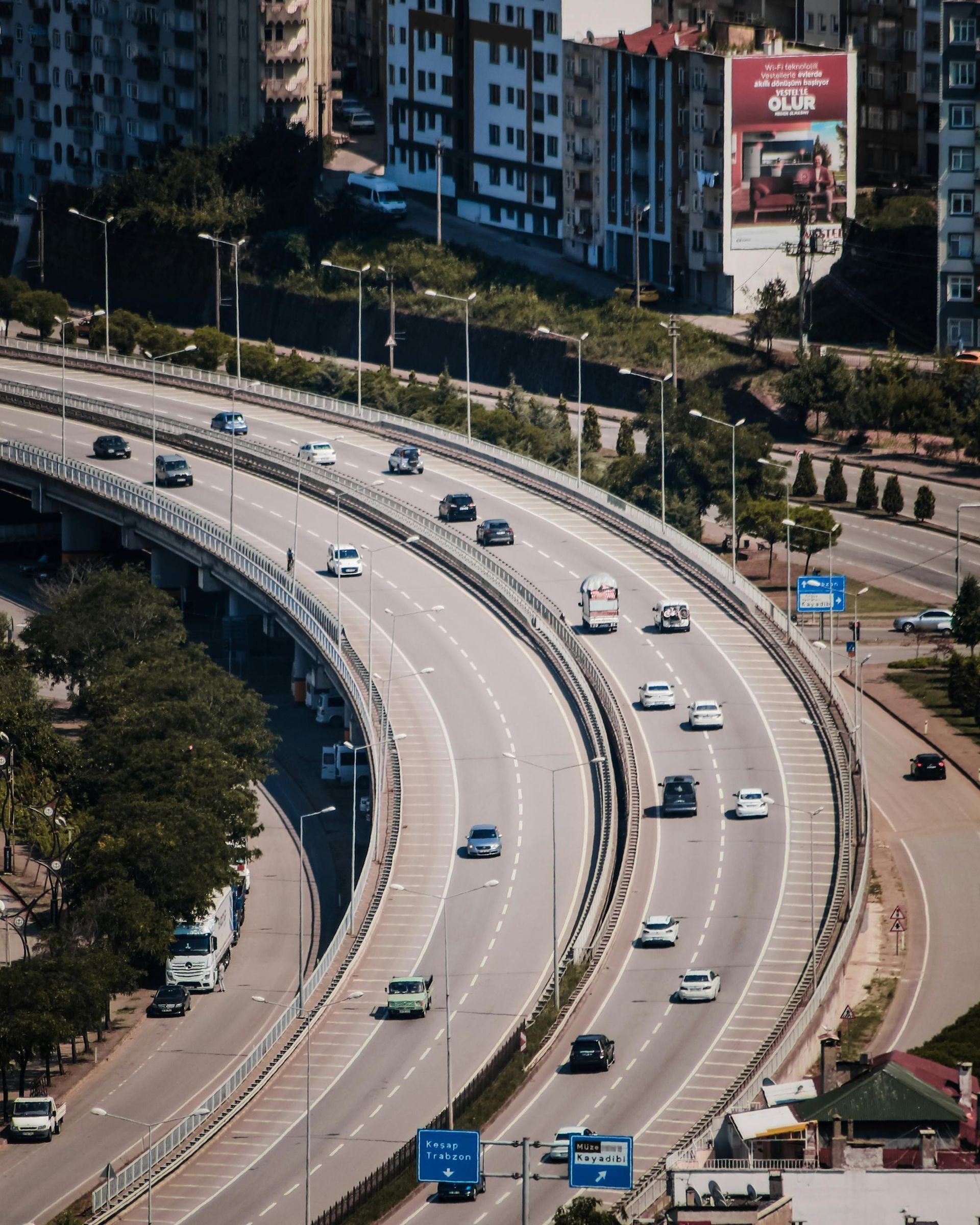
On Baton Rouge routes such as I-10 and I-12, a sideswipe or chain-reaction collision may involve several disputed actions. Investigators may ask who crossed a lane line, whether a vehicle was already established in the lane, and whether a later impact caused additional damage.
Responsibility may extend beyond the two drivers who initially contacted each other. Commercial driving, vehicle ownership, and other circumstances can also affect which parties and insurance policies require investigation.
Can You Challenge an Insurance Company’s Fault Decision?
Yes. An adjuster’s liability determination is an insurer’s claim position. It does not have the same authority as a court judgment.
Start by requesting a written explanation of the disputed decision. Identify whether the insurer is contesting the collision sequence, a traffic rule, your injuries, or coverage. Then organize evidence addressing that specific issue.
For example, if an insurer alleges that you entered another lane, a dashcam recording showing your vehicle’s continuous position may be more persuasive than repeatedly insisting that you drove carefully.
A challenge may involve:
- Submitting additional photographs or witness information.
- Providing records that correct a factual misunderstanding.
- Requesting review by a claims supervisor.
- Having an attorney present a supported liability analysis.
- Filing a lawsuit when appropriate to preserve and pursue the claim.
If litigation reaches trial, the judge or jury decides disputed fault based on the evidence and applicable law.
The Louisiana Department of Insurance also provides consumer assistance and complaint resources. A regulatory complaint may address claim-handling concerns, but it does not substitute for a lawsuit or guarantee that disputed liability will be resolved in your favor. ldi.la.gov
What Should You Do While the Investigation Is Pending?
Protect your health first. Obtain appropriate medical care, describe your symptoms accurately, and follow treatment recommendations.
Then take practical steps to preserve your claim:
- Report the collision promptly. Follow your policy’s notice and cooperation requirements.
- Save supporting materials. Keep photographs, video, witness details, repair estimates, and claim correspondence.
- Document your losses. Retain medical bills and records of missed work.
- Keep statements factual. Avoid speculation about responsibility or injuries.
- Review releases carefully. Understand what claims a settlement would resolve before signing.
Your own insurer may have contractual rights to request cooperation or statements. Requests from another driver’s insurer raise different considerations. If you are unsure about a recorded statement or broad authorization, obtain advice before responding.
Do not assume negotiations protect your filing deadline. Louisiana Civil Code Article 3493.1 generally establishes a two-year prescriptive period for ordinary negligence injury claims governed by that provision, running from the date injury or damage is sustained. The change took effect July 1, 2024; older accidents and claims involving special rules require separate analysis. Louisiana State Legislature
Frequently Asked Questions About Baton Rouge Car Accident Fault
Can an insurance company decide fault without a police report?
Yes. An insurer can investigate using photographs, statements, video, damage inspections, and other available evidence. Without a report, promptly preserving those materials becomes especially useful. A missing report does not automatically prove or defeat a claim, although unresolved factual disputes may make the investigation more difficult.
Does apologizing at the scene mean I admitted legal fault?
An apology alone does not necessarily establish legal responsibility. Its meaning depends on what was said and the surrounding evidence. Still, avoid
speculating about why the crash happened. Exchange required information, check for injuries, and describe observable facts accurately. Do not change an account simply because you later worry about how it sounds.
What if both insurance companies blame the other driver?
Different insurers may interpret the same evidence differently. Ask each company to identify the factual basis for its position. Additional video, witness information, or reconstruction evidence may help. Your own collision coverage may offer a separate route to vehicle repairs, subject to policy terms and a deductible, while liability remains disputed.
Can a passenger have a claim against more than one driver?
Potentially. If several drivers contributed to a crash, an injured passenger’s claim may require investigation of each driver’s conduct and available coverage. Being a passenger does not automatically resolve every legal issue, but passengers generally should not assume they must choose one driver’s account before seeking advice about their rights.
Should I accept payment for vehicle repairs before my injury claim is resolved?
Understand the scope of any payment and accompanying release first. A property damage settlement may be separate from an injury settlement, but the actual documents control. Ask whether the release addresses only vehicle damage or also includes bodily injury claims. Keep copies and obtain advice if the wording is unclear.
Discuss a Disputed Baton Rouge Accident Claim With Hester Law Firm
Insurance companies determine fault by evaluating evidence and applying Louisiana law. Missing footage, incomplete reports, or unsupported assumptions can affect the result, making early documentation valuable.
If you were injured in a Baton Rouge car accident and an insurer disputes responsibility, contact Hester Law Firm to discuss your situation. Understanding the evidence, applicable fault rules, and filing deadline can help you make informed decisions about pursuing compensation.